London music guides
Find places to try instruments, hear live music and plan a rehearsal or recording.
Guitar shops in London: choosing an instrument that suits you
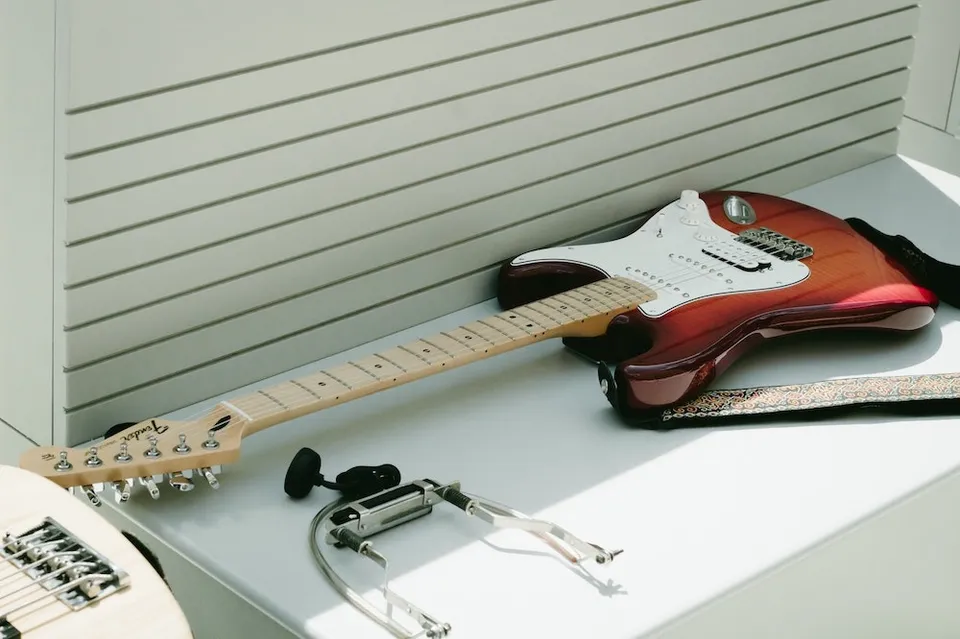
London offers plenty of places to try guitars, but a successful visit starts with knowing what you need. These central and north London options are starting points for comparing instruments, asking questions and planning a sensible budget.
Live music venues in London: a guitarist’s guide
Watching live music can change how you hear your own playing. This guide brings together three different London venues and a practical approach to choosing a gig, listening to the band and carrying useful ideas into practice.
London bands: guitar ideas worth listening for
London’s guitar history includes very different musical approaches. The Kinks, Queen and Iron Maiden offer three useful starting points, from a compact riff to layered melody and tightly organised heavy arrangements. Here is how to listen with your own playing in mind.
Recording and rehearsal studios in London
A room for a first band practice and an engineered recording session solve different problems. This guide explains two established London facilities, what to ask before booking and how to arrive with a plan that makes the time worthwhile.
Guitar playing, equipment and music
Practical guides and archive features. Historical articles keep their original context; check current specifications and availability before buying.
Choosing your first guitar
The best first guitar is one that fits comfortably, stays in tune and makes you want to practise. Start with the music you enjoy, then compare instruments rather than assuming every beginner needs the same type.
Understanding your guitar’s truss rod
A truss rod adjusts neck relief: the small amount of lengthwise curvature in a guitar neck. It is one part of a setup, rather than a universal remedy for high strings or fret buzz.
Blues guitar: phrasing, chords and a practical practice plan
Good blues playing depends on rhythm, listening and expressive phrases. Scales help you find notes, but a short idea placed well can say more than a fast run through an entire pattern.
Writing guitar riffs when you feel stuck
A useful riff does not need unusual equipment or a large vocabulary of scales. Start with one clear idea, then develop its rhythm, shape and relationship with the rest of the song.
Getting started with slide guitar
Slide guitar lets you move continuously between pitches, giving melodies a vocal quality. You can explore the technique gradually without immediately converting a guitar to a specialised setup.
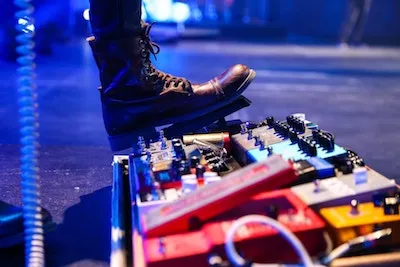
Multi-effects pedals or individual stompboxes?
Both approaches can produce excellent guitar sounds. The useful comparison is how you practise, change sounds and carry equipment—not whether one type of pedal is automatically more professional.
Valve, solid-state and modelling guitar amplifiers
An amplifier should suit your playing environment and the sound you need at a realistic volume. Valve, solid-state and modelling designs each have useful strengths, with considerable variation within every category.
Signature guitars: useful design or expensive association?
A signature guitar can include thoughtful changes developed around an artist’s playing. It can also command attention because of the name. The right question is whether those choices improve the instrument for you.
Zoom G1on: an older multi-effects pedal for practice
The G1on was the subject of an enthusiastic review on this site. Zoom now lists it as discontinued, so this guide considers its documented features and what to check if you already own one or find a used example.
Bigfoot Engineering Thunder Pup: a practical review guide
The original Thunder Pup article described a newly released British overdrive pedal. This updated guide keeps that musical focus while separating the manufacturer’s documented features from launch-era prices and subjective enthusiasm.
Bigfoot Engineering Octo Puss Prime: revisiting octave fuzz
The original review focused on the Octo Puss Prime’s bold enclosure and blues-rock fuzz character. This is a retrospective discussion of that pedal, with practical listening advice rather than an unverified current price or availability claim.
John Frusciante: a guitarist’s listening guide
John Frusciante’s work with Red Hot Chili Peppers combines rhythmic precision, melodic restraint and expressive lead playing. Explore those musical choices without reducing his career to the outdated “former guitarist” description in this page’s original address.
Dani California: listening to the guitar arrangement
Dani California, from Red Hot Chili Peppers’ Stadium Arcadium, is a useful study in how a guitar part changes its role across a song. Listen to the arrangement before concentrating on equipment or individual licks.
Kings of Leon: guitar parts, space and songcraft
Kings of Leon provide a useful route into guitar arrangement: direct rhythmic parts, memorable hooks and contrasts between restrained verses and broad choruses. This guide revisits the band through the music rather than old predictions about its future.
Nirvana’s In Utero: a guitar listening guide
Released in 1993, In Utero offers a powerful study in contrast: abrasive guitar textures, direct melodies, exposed passages and sudden changes of intensity.
The Smiths: hearing the detail in Johnny Marr’s guitar parts
The Smiths remain a rewarding study for guitarists interested in melody inside chords, interlocking parts and rhythm that supports a vocal. This article revisits the original appreciation with practical ways to listen and learn.
The Rolling Stones: riffs, open tunings and guitar interplay
This article began as a reflection on the Rolling Stones’ fiftieth anniversary. Its enduring subject is the music: how rhythm, short riffs and two interacting guitar parts can create a distinctive arrangement.
Guitar heroes and the blues: listening beyond speed
The original article contrasted the understated guitar bands of the 2000s with the direct blues-rock approach of Jack White and Dan Auerbach. Its useful question remains: what makes a guitarist recognisable?
NAMM 2014: a retrospective for guitarists
This page revisits the 2014 NAMM show and the guitar equipment that caught the original writer’s attention. It is an archive reflection, not an announcement of this year’s products or current prices.
Our favourite albums of 2013: a guitar listening retrospective
The original year-end selection featured Arctic Monkeys, Johnny Marr, Foals, Peace and Drenge. These are 2013 listening choices, revisited for the guitar ideas they offer rather than presented as new releases.
New bands from our early-2010s archive
Radkey, The Wytches, GRMLN and Childhood caught the original writer’s attention when these recordings were emerging. This page preserves that historical selection and explores what a developing guitarist can hear in the music.
Public Access T.V. and Monaco: revisiting an early discovery
The original article introduced Monaco during Public Access T.V.’s early publicity. This is a retrospective listening guide, not a claim that the band has only one release or is about to play its first show.
The Stone Roses’ 2012 reunion: why the music mattered
The original article responded to the Stone Roses’ Heaton Park reunion shows in 2012. This retrospective keeps that historical setting while exploring the guitar, rhythm and shared listening experience behind the occasion.
Why learning an instrument can be rewarding
Learning an instrument can offer enjoyment, creative expression and a satisfying long-term challenge. You do not need to become a professional musician or prove a special talent before deciding that music deserves a place in your life.
Will indie music survive? Looking beyond the charts
The original article responded to early-2010s anxiety about guitar music’s chart position. Revisited today, the useful question is how listeners and musicians discover, support and develop music outside a single measure of popularity.