Relief and action are different
Relief describes neck curvature; action describes the height of the strings above the frets. They influence one another, but are not interchangeable. Bridge and saddle height, nut slots, fret condition and the player's touch also affect playability. Turning a truss rod simply because the guitar feels hard to play can make another problem worse. Start by identifying what is happening: buzzing on particular frets, unusually high strings throughout the neck, or an instrument that changed after a string replacement each calls for a different investigation.
Why a setup can change
Changing string gauge or tuning alters the forces on the instrument. Humidity and temperature changes can also affect wooden instruments. A small change in neck relief does not automatically mean the neck has suffered permanent damage. Make a note of the strings and tuning you were using when the guitar played well, and describe what changed. This information helps a technician diagnose the issue. Use the string type intended for your instrument; steel strings should not be substituted on an ordinary nylon-string classical guitar.
Find the instructions for your model
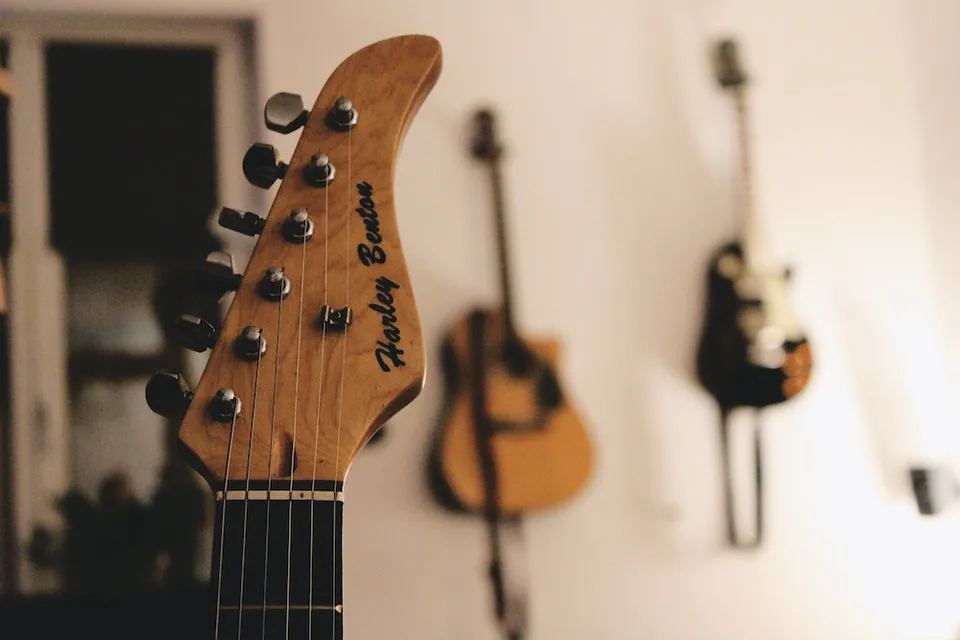
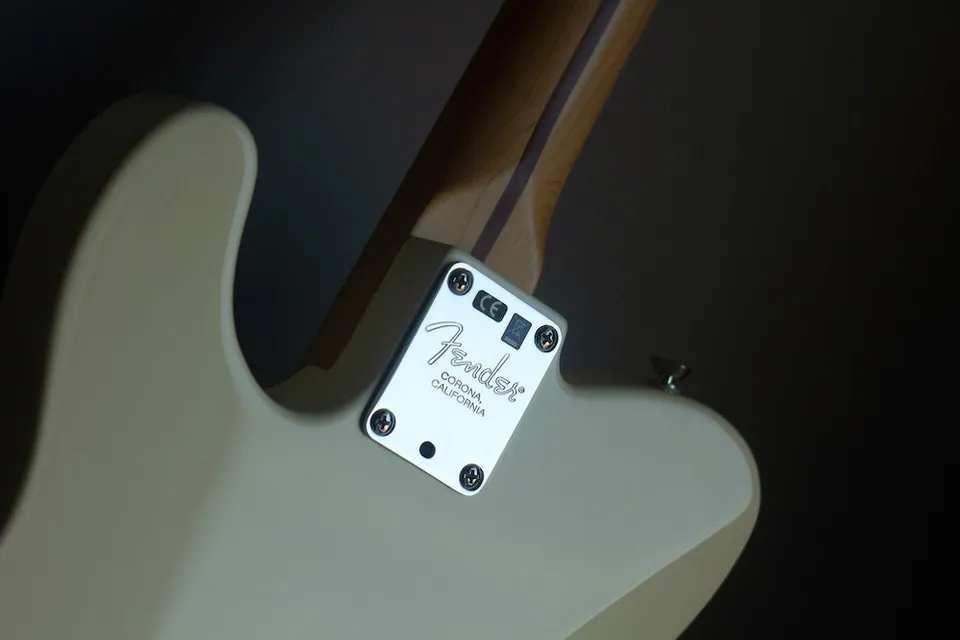
Truss-rod designs and access points differ. Some are adjusted at the headstock, others near the neck heel, and not every guitar has an adjustable rod. A manufacturer’s setup guide for a different model is not a substitute for the correct instructions. Fender's Stratocaster setup guidance explains its different systems and recommends professional help when the owner is uncomfortable making adjustments. Check the correct tool size and procedure with your manufacturer or technician before considering any work.
Measure rather than guess
A useful assessment compares the instrument with a relevant setup specification and your playing needs. A technician will normally assess relief under defined conditions, then consider string height and other adjustments in a sensible sequence. Looking along the neck can reveal obvious issues, but it is not a precise replacement for measurement. Avoid copying a number from an unrelated guitar or assuming the straightest possible neck is best. Different playing styles and string choices need different compromises between comfortable action, clear notes and resistance to buzzing.
Know when to stop
Do not force an adjustment nut, improvise with a poorly fitting tool or keep turning because nothing seems to happen. Unusual resistance, a damaged nut, uncertainty about the mechanism or a suspected twisted neck are reasons to ask a repairer. A truss rod does not repair a loose bridge, cracked neck or worn fret. If the instrument is valuable or unfamiliar, paying for a diagnosis can prevent an expensive mistake. There is no universal safe number of turns that applies to every instrument and every starting condition.
Prepare for a repair appointment
Bring the guitar in its normal tuning with the strings you intend to use. Describe the music you play, how hard you pick and which notes cause problems. Ask the repairer to explain the work and quote before replacing parts. After the setup, play a few familiar passages and check the result across the neck. Keep the string gauge and setup details for future reference. Our London guitar shop guide can help you plan where to enquire, but confirm that a suitable repair service is available before travelling.
Related recordings
These accompanying recordings offer listening examples. Equipment demonstrations reflect their original context; follow the guidance for your own instrument and equipment.