Decide what the session needs to achieve
Write down the purpose before comparing studios. You may need space to practise at band volume, prepare a set, record a simple demo or produce finished tracks. A rehearsal room is not automatically a recording service, and an hourly room price may exclude equipment or an engineer. Explain how many musicians are coming, what they play and what you hope to leave with at the end.
Location matters in London because the easiest room for one person may be a difficult journey for everyone else. Compare actual routes with instruments, not just distance from the centre. Ask about loading, stairs, step-free access and the time needed to get into the room. Include setup and packing away in the booking so that the last song does not turn into a rushed scramble.
The Premises on Hackney Road
The Premises Studios lists its address as 209 Hackney Road, London E2 8JL, with recording facilities and rehearsal rooms. Its rehearsal information distinguishes room hire from additional backline charges and describes the entrance on Dawson Street. Check the current booking details and request a quote for the particular room, session length and equipment you need.
For a guitar band, ask which amplifiers, cabinets, vocal microphones and stands are included or available to hire. Tell the studio if you need a quiet acoustic arrangement rather than a full amplified setup. Do not assume that every room has identical equipment. A written list shared with the band prevents two people carrying unnecessary amplifiers while nobody brings the essential leads or power supply for a pedalboard.
John Henry’s on Brewery Road
John Henry’s offers rehearsal studios and equipment hire at 16–24 Brewery Road, London N7 9NH. Its facility information states that access is by appointment. This is a reason to arrange the session directly, with clear technical requirements, rather than arriving to look for a room without a booking.
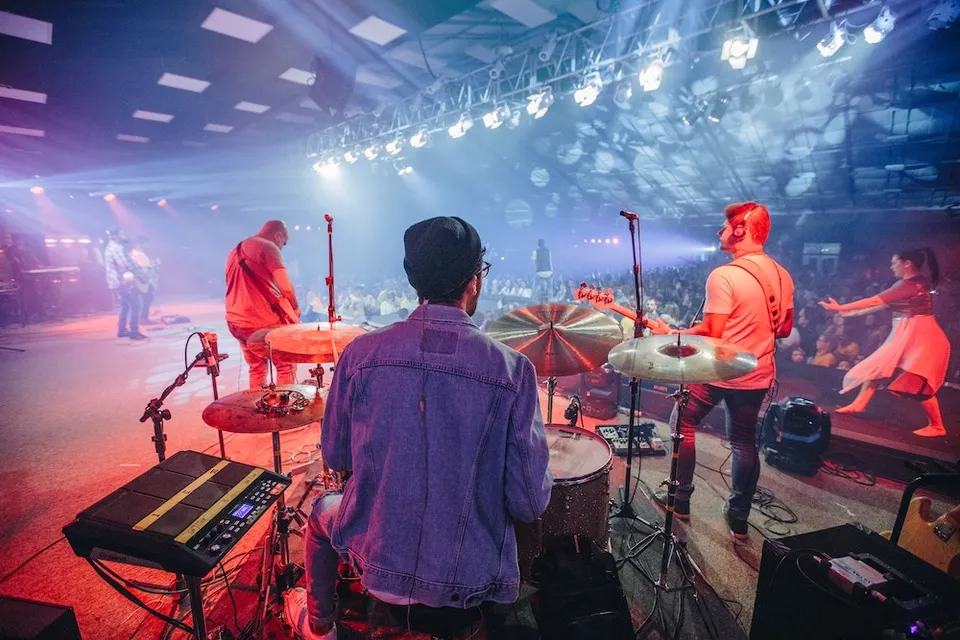
If you are preparing a performance, describe the size of the group and the stage arrangement you want to practise. Ask for a full quotation covering the space, equipment and any additional support. A professional facility may offer more than a beginner band needs, so compare the actual package with your goal. The right choice is the one that allows you to rehearse effectively within a realistic budget, not simply the most impressive equipment list.
Make the rehearsal musical and organised
Agree the song versions, keys and approximate tempos before the day. Share a short running order and identify the sections that need work. Everyone should arrive knowing the basic structure, even if their individual part is still developing. Begin by checking that people can hear the voice, bass and rhythmic pulse. Turning up repeatedly is rarely a good substitute for adjusting the arrangement or positioning equipment sensibly.
Work on a difficult transition in a short loop, then put it back into the song. Decide who counts in and how you will finish. Leave time for one uninterrupted run so that the group practises recovery as well as correction. If everyone agrees, make a simple reference recording for private review. Listen for timing and balance afterwards rather than judging the sound quality as though it were a finished studio release.
Prepare differently for a recording session
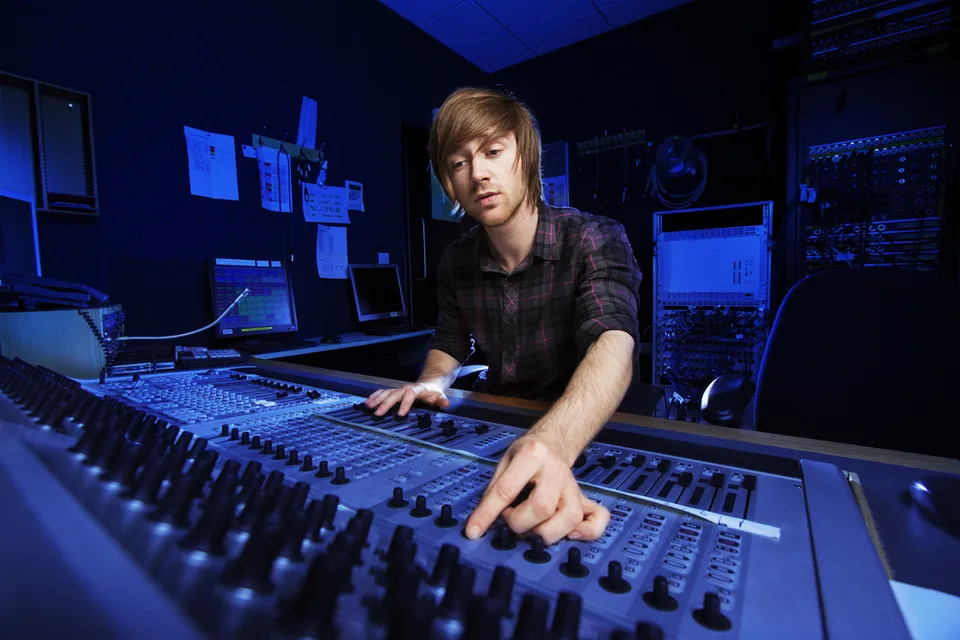
Ask whether the quote includes an engineer, editing, mixing and final exports. Explain whether you want the band recorded together or parts layered separately. Bring a rough demo, notes on the song structure and a small number of reference tracks that illustrate the sound you mean. References should start a conversation about practical choices rather than imply that a short session can reproduce an elaborate album production.
Check the guitar’s tuning and condition beforehand, and bring spare strings, picks and reliable leads. If the plan uses a click track, practise with it before the session. Agree the file formats, delivery arrangements, number of revisions and how long the studio retains the project. Keep a copy of the agreed scope. These details help everyone distinguish a useful demo, a mixed track and a fully completed release without relying on assumptions.
Leave with clear next steps
Allow time to pack safely, return hired equipment and note anything that needs attention before the next booking. After rehearsal, choose a small number of priorities for individual practice. After recording, listen to the supplied rough mixes on familiar equipment and collect comments in one organised message. Specific observations about a section or instrument are easier to act on than a general request to make everything better.
You do not need to book a studio immediately to begin learning these habits. Preparing a song at home and playing it with one other musician can reveal useful questions. If equipment needs attention, consult the London guitar shop guide before the booked date. Watching a band at a local venue can also suggest practical arrangement ideas. For help preparing your own guitar part, ask about lessons and explain the session you are working towards.